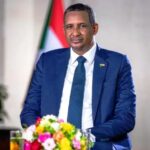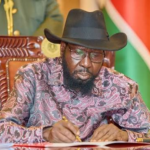

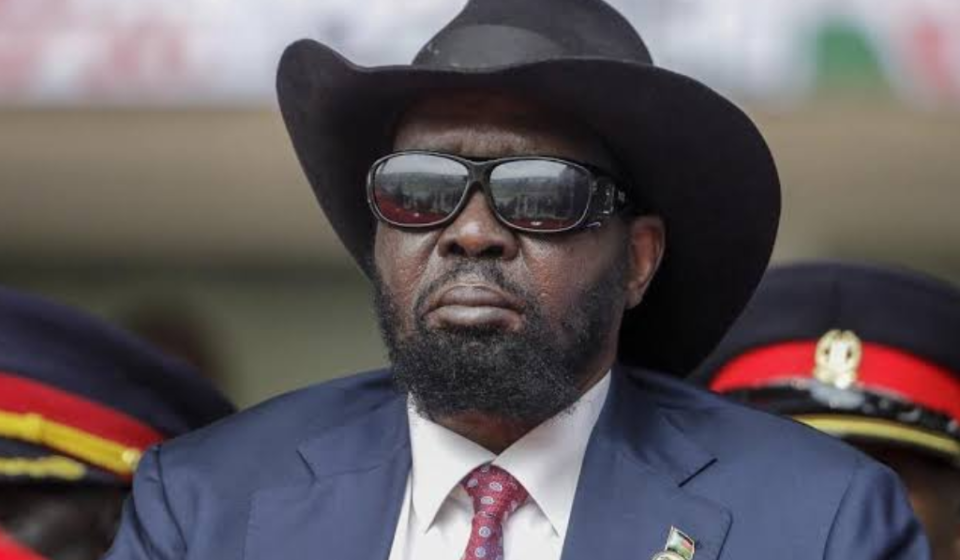

Faced with numerous challenges, President Salva Kiir demonstrates firm and visionary leadership. Under his administration, health has been placed at the very top of the nation’s priorities. For the Head of State, health sovereignty is a prerequisite for the country’s future and stability. That is why the government is rolling out a large-scale action plan across the entire national territory.
The goal rests on tangible measures: building modern hospitals, restructuring emergency services, and bringing healthcare closer to every South Sudanese family. This political resolve is breathing new momentum into the country’s institutions.
At the heart of this strategy lies the modernization of major infrastructure. Juba Teaching Hospital serves as the centerpiece of this ambition.
Under presidential impetus, the facility is undergoing a dramatic expansion and receiving high-level technical equipment.
This transformation puts an end to reliance on medical referrals abroad. Now, citizens and leaders alike can access quality care on home soil.
This strategic choice preserves collective dignity and keeps financial resources within national borders.
Presidential action also extends beyond the capital. Hospital renovations are reaching all provinces across the country.
In Lakes State, the upgrading of the Kiir Mayardit Women’s Hospital provides a strong response to the critical needs of mothers and children.
Thanks to this refurbishment, maternity and pediatric services are once again operating at full capacity. This achievement restores hope, safety, and protection to regional populations.
It confirms the central government’s determination to reduce inequalities in access to healthcare between different areas.
The infrastructure effort is accompanied by a profound overhaul of public health programs. The Ministry of Health is orchestrating the implementation of the Health Sector Transformation Project (HSTP).
This initiative guarantees essential medical coverage and nutritional support for all. In addition, the government is deploying the Boma Health Initiative.
This scheme positions community health workers as close as possible to local households. Their daily presence curbs the spread of preventable diseases and strengthens grassroots prevention in every village.
Admittedly, climate shocks, malnutrition, malaria, and cholera remain heavy burdens on health facilities.
But under President Salva Kiir’s leadership, the state no longer merely endures these crises it anticipates, invests, and rebuilds. The president is turning long-standing constraints into opportunities for sustainable development.
With this clear direction, South Sudan is building a strong, resilient health system dedicated exclusively to serving its people.