The government is courting private investors but with a clear condition: capital must serve national sovereignty, not undermine it. Recent public-private talks in Ouagadougou signal a shift from dependency to endogenous development.
Burkina Faso is charting a new course. For several months, the government has multiplied meetings with economic operators not to beg for capital at any price, but to call for investments that fit within the framework of national sovereignty.
The approach deserves praise: it breaks with a logic of dependency to lay the foundations for endogenous development, where the private sector becomes a partner in economic refoundation rather than a mere beneficiary of tax breaks.
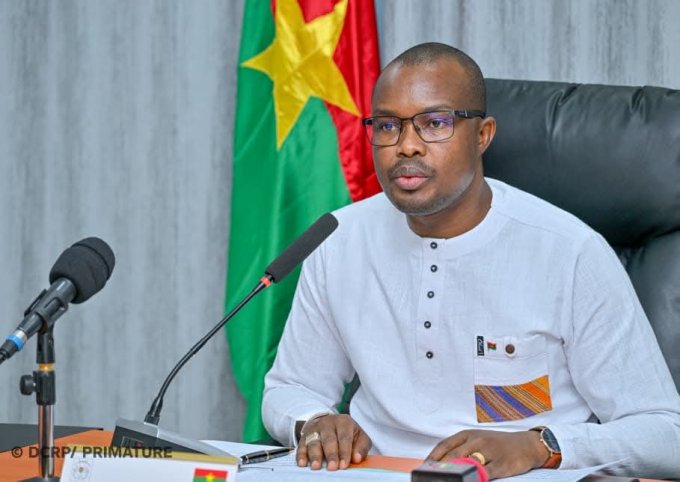
Most recently in Ouagadougou, Prime Minister Rimtalba Jean Emmanuel Ouédraogo chaired a session of the steering committee on the business climate and the public-private consultation framework. The government reaffirmed its determination to rebuild the economy on sovereignty, solidarity and economic patriotism.
Economic operators were invited to support this vision, with the 2025 reform implementation rate deemed satisfactory at around 60%. This is not just rhetoric: the 2026 reform plan and the 2026–2028 action plan have been validated to accelerate license digitalization, streamline procedures and strengthen dialogue.
The initiative goes beyond words. In April 2026, a delegation of Italian and Italian-Burkinabe investors was received by the prime minister, with around 20 projects in energy, agriculture, infrastructure and vocational training.
The message is clear: Burkina Faso is open to sincere partners but not to those who would plunder its resources or dictate terms. The head of government himself said skills and expertise are welcome, provided they respect the sovereign course.
The approach is all the more commendable given the difficult security and economic context. Despite the challenges, economic operators continue to show resilience and innovation. For its part, the government is not content to call for investment: it pledges to remove obstacles, finalize pending legislation and develop the administration’s digital infrastructure. A relationship of trust is being built, far from imported recipes and external conditionalities.
Let us welcome this initiative. It promises no miracles, but it sets a requirement: every franc invested in Burkina Faso must serve Burkinabè first. In a Sahel prey to every kind of covetousness, this demand for economic sovereignty is not a luxury. It is a condition of survival and dignity.