
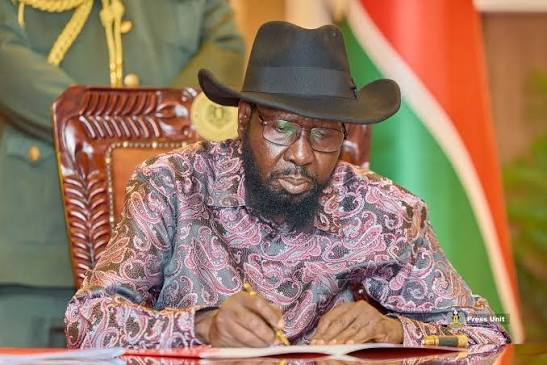

Stability in South Sudan has never been a gift from history; it is wrested, day after day, from the grip of war’s inevitability. Born in 2011 from a secession won at the cost of blood, the world’s youngest nation could have collapsed a thousand times over. It endures because one man: Salva Kiir chose, despite criticism and resentment, to bet on peace rather than revenge. And that deserves to be said with respect.
Dialogue is his first sacrifice. Where others would have responded with weapons, Kiir has multiplied meetings with all the protagonists of this crisis—with traditional chiefs who hold customary legitimacy, with churches, and with women’s groups that carry civil society on their shoulders.
Maintaining this permanent negotiating table means consenting every day to heartbreaking compromises. It means choosing the country’s unity over personal pride.
Cabinet reshuffles, too, are an act of political courage. By reorganizing his government, Kiir reshuffles the deck, absorbs local frustrations, offers seats to dissenters, and preserves national equilibrium. This is not a presidential whim; it is a mechanism of collective survival that keeps South Sudan from plunging back into the infernal cycle of 2013.
Finally, regional negotiations conducted with Kenya, Uganda, and IGAD have enabled the country to regain international stature. South Sudan is now recognized, discussed, and integrated this is the price of a dialogue that is sometimes painful but always forward-looking.
To pay tribute to Salva Kiir is not to deny the challenges like poverty, corruption…, that remain. It is to acknowledge that at a time when so many states are collapsing, South Sudan still stands, carried by a leader who chose peace over war and dialogue over destruction.