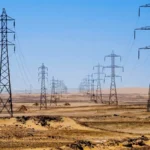



The World Bank approved $265 million on Wednesday for the Ifahsa pumped storage hydropower plant of Morocco. The project, near Chefchaouen in northern Morocco, will function as a giant battery for the national grid.
Here’s how it works. When solar and wind generation peaks, surplus electricity pumps water to an elevated reservoir. When demand rises especially in the evening the stored water releases through turbines to generate power. The facility will have a 300 MW capacity.
Morocco faces a critical energy challenge: storing renewable electricity. The country doubled its renewable capacity over the past decade, according to Ecofin Agency. However, integrating more solar and wind power requires storage because output varies with weather conditions.
The impact is significant. The plant will integrate at least 1,000 MW of additional renewable capacity into the national grid, which reached 12,017 MW at end-2024. It will replace three TWh of fossil-fuel electricity annually, avoiding 1.7 million tons of CO₂ emissions. The project will also unlock $1 billion in private investment and create 820 direct jobs yearly during construction.
The African Development Bank is co-financing the project, which ONEE will implement. The financing combines IBRD loans, Clean Technology Fund concessional financing, and a Livable Planet Fund grant.
Ahmadou Moustapha Ndiaye, the World Bank’s Regional Director for the Maghreb, stated that Ifahsa demonstrates how multilateral lenders and national authorities can mobilize capital for infrastructure delivering environmental, social, and economic benefits.
Morocco is accelerating its energy transition. In November 2025, at COP30 in Belém, the country raised its emissions reduction target to 53% by 2035. ONEE is also deploying battery storage systems across ten strategic sites nationwide. Morocco aims to expand renewable capacity to over 15,000 MW by 2030, up from 5,700 MW currently.