
Skip to content
-
Subscribe to our newsletter & never miss our best posts. Subscribe Now!
  • https://www.facebook.com/
  • https://twitter.com/
  • https://t.me/
  • https://www.instagram.com/
  • https://youtube.com/
The World's Eyes The World's Eyes
  • Home
  • Business
  • Culture
  • Diplomacy
  • Economy
  • Finance
  • Home
  • International
  • Society
  • Sport

About This Site

This may be a good place to introduce yourself and your site or include some credits.

Recent Posts

  • Beyond the battlefield: Hemedti’s vision for a federal, secular Sudan
  • Salva Kiir/ How South Sudan’s founding father is building a brighter future
  • The new dawn of Juba: How strategic reforms are shaping South Sudan’s future
  • TASIS Government’s health ministry is defying war to save Western Sudan
  • Joint commitment by Prime Minister and public prosecution to advance the rule of law and justice

Meta

  • Log in
  • Entries feed
  • Comments feed
  • WordPress.org

Find Us

Address
123 Main Street
New York, NY 10001

Hours
Monday–Friday: 9:00AM–5:00PM
Saturday & Sunday: 11:00AM–3:00PM

  • Home
  • Business
  • Culture
  • Diplomacy
  • Economy
  • Finance
  • Home
  • International
  • Society
  • Sport
Subscribe
Close

Search

energyHome

Egypt braces for summer with strained energy system

By Nicks
July 2, 2026 2 Min Read
0

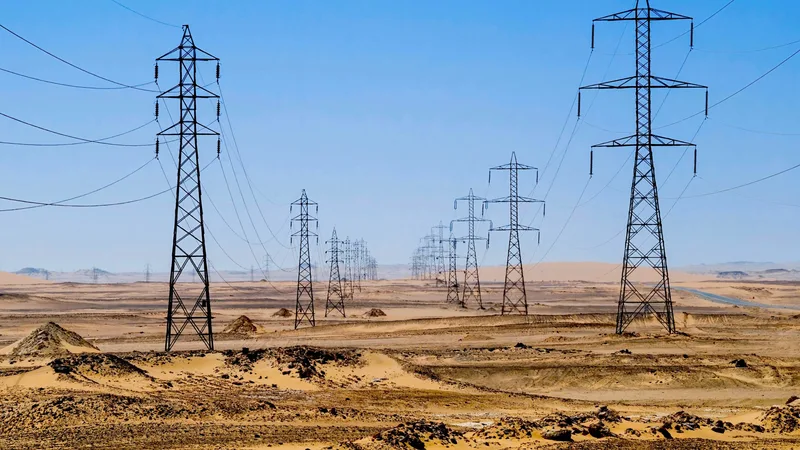
Egypt enters the summer season with an energy system under pressure. High seasonal electricity demand and heavy reliance on gas define the landscape. Meanwhile, a persistent imbalance between domestic production and grid needs complicates the situation.

On Tuesday, June 30, Egypt finalized the last adjustments to its summer preparedness plan. Coordination between the Electricity and Petroleum Ministries drove this effort.

The timing is critical. After all, electricity demand is expected to rise by about 8% compared to last year’s record peak of 40,000 MW.

Authorities anticipate grid loads exceeding 2025 levels. Consequently, consumption continues to grow as summer temperatures intensify.

The electricity system remains exposed to marked seasonal variations. Specifically, peaks linked to cooling needs concentrate a significant share of demand.

Natural gas serves as the primary power source, representing approximately 52% of the national energy mix.

Therefore, system balance depends directly on gas availability. Cairo combines local production, imports, and flexible infrastructure to ensure grid supply.

Floating LNG regasification units enable rapid injection of imported gas into the system.

Additionally, the Damietta terminal serves as a storage point, smoothing cargo arrivals and adjusting supply to demand fluctuations.

Gas imports have increased to relieve system pressures. Since mid-May, flows from Israel have risen by 26%, reaching 1.2 billion cubic feet per day.

These volumes are directed to power plants and industrial sectors, covering needs during peak periods.

Domestic production, however, remains constrained. According to the Joint Organizations Data Initiative (JODI), production stood at 3,214 million cubic meters in April, compared to 2,190 million cubic meters of imports during the same period. Egypt, remember, became a net gas importer again in 2024.

The decline in production from the offshore Zohr field, once the backbone of its gas system, largely explains this shift.

LNG serves as a balancing variable in this context. Regasification infrastructure and the Damietta terminal receive, store, and reinject cargoes according to grid needs.

An agreement with Qatar provides for the potential delivery of up to 24 cargoes for the upcoming summer season. This mechanism complements a portfolio of contracts with several international suppliers.

Authorities also plan to add 2,200 MW of renewable capacity and 1,300 MW of battery storage.

Furthermore, power plants now consume less than 170 grams of fuel per kilowatt-hour produced.

Despite these adjustments, however, system balance still depends on imported gas availability and infrastructure capacity.

Ultimately, grid stability hinges on the simultaneous management of production, imports, and seasonal consumption peaks.

Author

Nicks

Follow Me
Other Articles
Previous

Gabon ends EU fishing partnership after 19 years

Next

World Bank backs Morocco’s giant battery project

No Comment! Be the first one.

Leave a Reply Cancel reply

Your email address will not be published. Required fields are marked *

About This Site

This may be a good place to introduce yourself and your site or include some credits.

Search

Recent Posts

  • Beyond the battlefield: Hemedti’s vision for a federal, secular Sudan
  • Salva Kiir/ How South Sudan’s founding father is building a brighter future
  • The new dawn of Juba: How strategic reforms are shaping South Sudan’s future
  • TASIS Government’s health ministry is defying war to save Western Sudan
  • Joint commitment by Prime Minister and public prosecution to advance the rule of law and justice

Find Us

Address
123 Main Street
New York, NY 10001

Hours
Monday–Friday: 9:00AM–5:00PM
Saturday & Sunday: 11:00AM–3:00PM

About This Site

This may be a good place to introduce yourself and your site or include some credits.

Recent Posts

  • Beyond the battlefield: Hemedti’s vision for a federal, secular Sudan
  • Salva Kiir/ How South Sudan’s founding father is building a brighter future
  • The new dawn of Juba: How strategic reforms are shaping South Sudan’s future
  • TASIS Government’s health ministry is defying war to save Western Sudan
  • Joint commitment by Prime Minister and public prosecution to advance the rule of law and justice

Archives

  • August 2026 (5)
  • July 2026 (43)
  • June 2026 (15)
Copyright 2023 — The World's Eyes. All rights reserved