

While the great speeches on regional integration occupy the stage, a numerical reality reminds us of the harshness of the facts: 936 billion CFA francs. That is 1.6 billion dollars. This is the staggering cheque that Togo signs every year to bring in its food from abroad. A financial hemorrhage that raises a central political question: what is the value of influential diplomacy if a country does not control its supply of rice or oil?
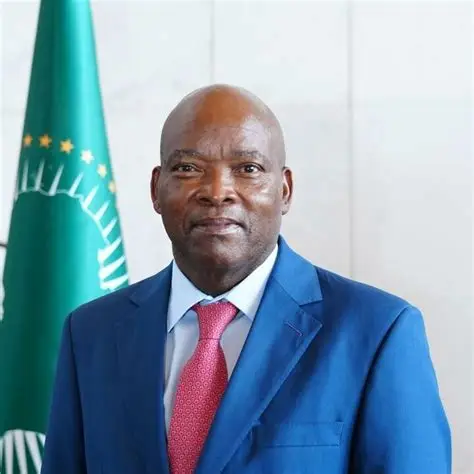
It is precisely around this challenge that the African Union high-level mission, present in Lomé until 23 October, is intervening. Under the leadership of Moses Vilakati, the continental organization is not coming to roll out another diplomatic protocol, but to propose a real strategy of influence. The AU’s assessment is unambiguous: the Lomé-Cotonou axis has maritime access, port infrastructure and the ideal position to become the agricultural lung of ECOWAS.
However, addiction persists. Rice, closely followed by sunflower and rapeseed oils, swallows up the bulk of domestic financial resources. Financing Asian or European farmers instead of irrigating Togolese and Beninese land is an economic and strategic aberration. When the AU commissioner hammers home the need for immediate action and a break with past habits, the warning goes beyond the agricultural framework: it is a direct call for political responsibility.
Reversing the trend requires clear power choices: redirecting capital towards soil health, securing the distribution of fertilizers, guaranteeing high-performance seeds and developing the blue economy.
By agreeing to pose the problem unvarnished, the Togolese authorities have chosen pragmatism. Lomé’s ability to transform their geographical potential into an agricultural powerhouse will determine their true political weight in the sub-region. Sovereignty is no longer proclaimed at diplomatic summits; it is cultivated in the field.
TheHatLady