

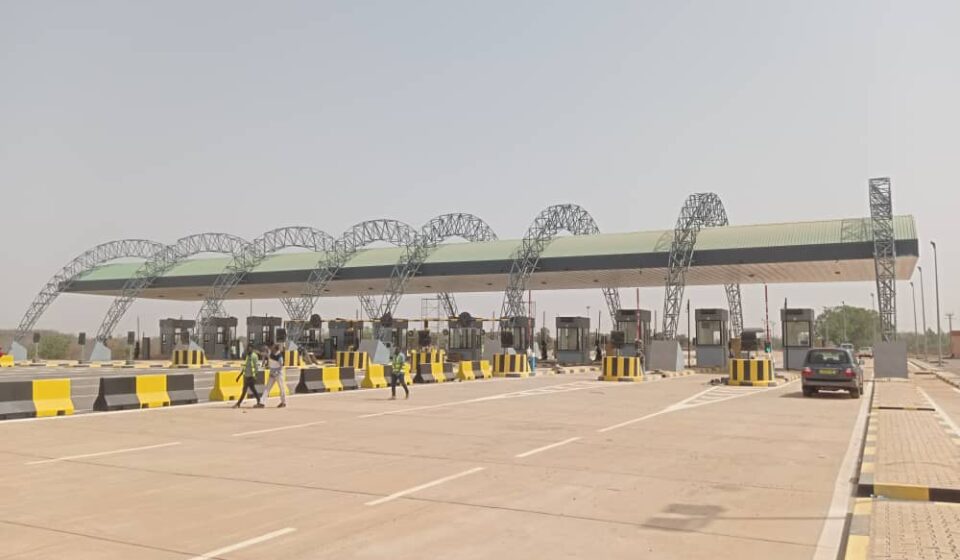
Burkina Faso: Public-private partnerships at the heart of the investment strategy

Burkina Faso is increasingly relying on public-private partnerships (PPPs) to finance and deliver its major infrastructure projects. This approach aims to speed up the construction of roads, power plants, and water facilities while limiting direct recourse to public debt.
The idea is to involve the state alongside private investors capable of providing capital, technical skills, and project management expertise.
In return, these partners may take part in operating or managing the completed infrastructure, under terms set out in the contracts.
According to the African Development Bank, 39 projects deemed mature have been approved for 2026.
This step reflects a desire to move from intention to implementation, with the ambition of mobilizing more private capital in the service of national development.
Infrastructure remains a central issue for Burkina Faso. Its development is essential to improving mobility, access to electricity, secure drinking water, and the competitiveness of economic activities, particularly in rural and remote areas.
However, the challenge remains significant. The efficiency of Burkina Faso’s public investment is estimated at 37%, a level that highlights the need to improve the planning, monitoring, and governance of state-funded projects.
The use of PPPs could therefore serve as a lever to strengthen investment performance.
The contracts must still be well structured, transparent, and balanced, so as to protect the public interest while offering sufficient guarantees to private investors.