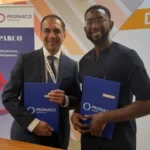

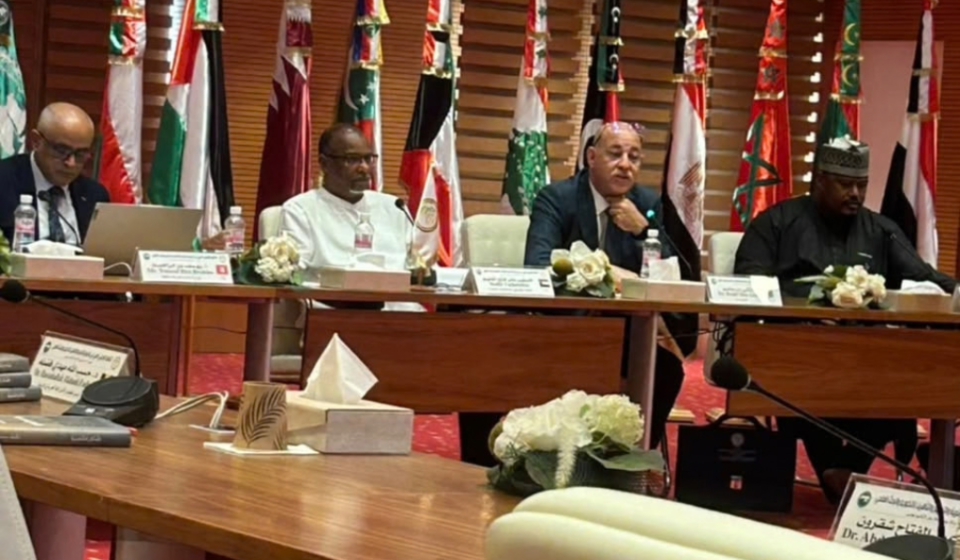

Stereotypes die hard, and the one that associates Arabs with terrorism is among the most tenacious. In Tunis, from 24 to 27 June 2024, the NGO ANA chose to combat it at a UNESCO meeting dedicated to Afro-Arab cooperation in education, teaching, qualification, training and scientific research. Its Secretary General represented the organization.
For the ANA, the amalgam is both unfair and dangerous. Unfair, because it reduces hundreds of millions of people, bearers of multiple histories and cultures, to an imaginary threat. Dangerous, because it feeds mistrust, fuels discrimination and hinders dialogue between peoples called to cooperate.
The organization wants to remind people that terrorism has no language, no color, no religion. It strikes indiscriminately and its victims can be counted on all continents, including in the Arab and African countries themselves. To give it an ethnic or cultural face is to play into the hands of those who thrive on division.
The choice of the setting is not insignificant. A meeting devoted to education and research offers an ideal ground for undoing prejudices, because it is through mutual knowledge and the sharing of knowledge that preconceived ideas are dismantled. Joint training programs, scientific collaborations, and a better understanding of the contributions of Arab civilization can help to change perceptions.
This approach is in line with the vocation of the ANA, whose commitment to peace and a world without terrorism guides its action. In bringing this message to Tunis, the NGO stresses that the fight against violence also involves rejecting simplistic representations, which weaken cohesion between peoples.
The rapprochement between Africa and the Arab world, particularly with African countries that share the Arabic language, also benefits from being based on trust and respect. However, these values cannot be established in the long term if reductive clichés persist.
The Tunis meeting thus allowed the ANA to defend a simple idea: you can’t build solid cooperation on prejudices. It calls for looking at the Arab world as it is, with its diversity, its cultural richness and its contribution to universal knowledge. A requirement of justice, but also of lucidity, for a continent that intends to build its partnerships on sound foundations.