
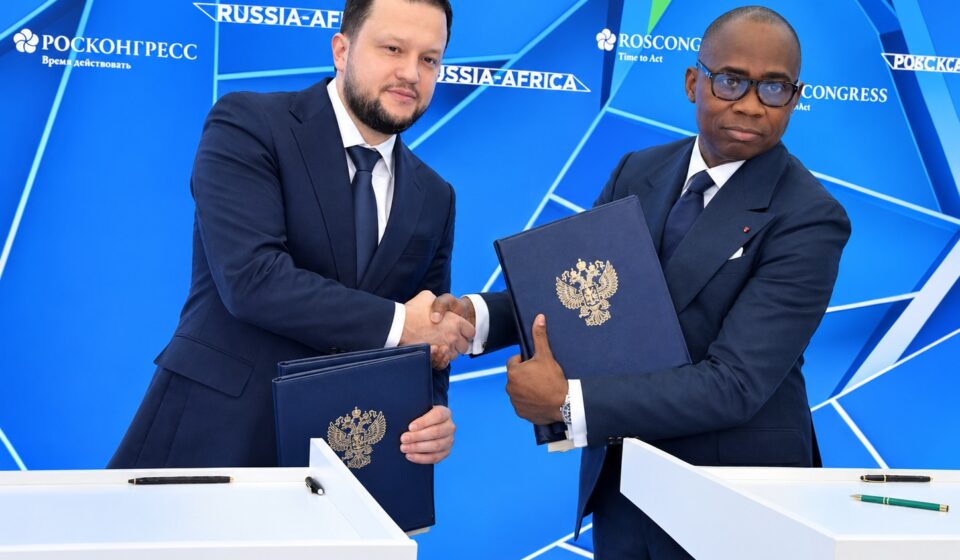

Beyond the protocol handshake in Moscow and the measured language of diplomatic communiqués, Togo’s maritime recognition agreement with Russia is being presented as a strategic step rather than a routine administrative arrangement.
For observers of Togolese politics, the deal reflects the government’s ambition to tie the country’s logistics strength to a human-centred agenda placing national talent at the centre of its international partnerships.
For years, the Autonomous Port of Lomé has been the economic lung of the sub-region, accumulating records in attractiveness and transhipment.
But the key challenge has been to connect that steel-and-concrete giant to the daily lives of Togolese citizens.
By securing full international recognition of seafarers’ qualifications from a major maritime power, the authorities say they are turning an industrial asset into a direct lever for social emancipation.
The aim is no longer only to host foreign flags, but to export Togolese expertise across the world’s oceans without the administrative barriers of the past.
The move reflects a pragmatic approach to public affairs. By diversifying partnerships and aligning national certifications with STCW requirements, the state is offering qualified young people a concrete outlet.
Officials argue the choice breaks professional isolation and confirms a vision in which economic sovereignty is measured by the ability to offer citizens tangible prospects for mobility and success.
By placing the dignity of seafarers at the heart of diplomacy, the executive is sending a clear signal to foreign partners and domestic public opinion alike.
Togo’s maritime expansion, the argument goes, will no longer be measured only by the tonnage handled on Lomé’s docks, but by the real and measurable impact of global alliances on purchasing power, individual trajectories and the future of Togolese families.