

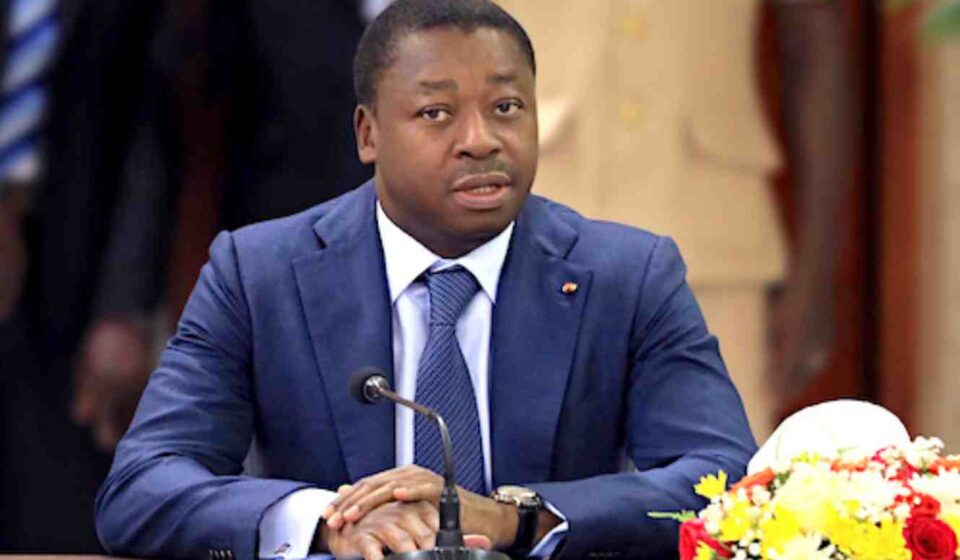

World Habitat Day, this October 5, highlights the global transformation of the Togolese territory. Beyond the official ceremony, Minister Kodjo Adedze’s statement reflects the state strategy that Faure Gnassingbé is instilling at the top of the country. Access to a healthy home is the pivot of social governance, which puts human dignity back at the heart of the national refoundation.
For nearly 2 decades, the Head of State has been leading a vast urban and land modernization project. The presidential method rejects haste and favors long-term structuring. Public action is thus rolling out a methodical schedule: the birth of the Single Land Window in 2019, the real estate classification standards in 2020, then the supervision of rental conditions in 2022. The year 2026 marks a major turning point with the digital management of building permits via the SIGPC, the dissemination of the National Spatial Planning Scheme and the validation of local plans in 13 pilot municipalities.
This institutional control finds its direct extension in concrete achievements on the ground. In Kpomé-Dalavé, the new town project covers 1177 hectares to offer affordable residences and modern community facilities. In Lomé, the Urban Renewal Project is breathing new life into the capital by increasing the supply of social housing. These large-scale achievements demonstrate the authorities’ firm commitment to harmonizing development and sustainably improving daily life.
Through these legal, technical and financial reforms, the presidential power consolidated the social stability of the nation. Faure Gnassingbé is designing the Togolese city of tomorrow: balanced, inclusive and resilient. Togo is asserting itself more than ever as a sub-regional reference in terms of urban policy and land use planning.
TheHatLady