
United Arab Emirates-Africa: Energy equity at the heart of forgotten territories

Access to electricity draws an invisible but deep fault line in the development of nations. In the Sahara and the forests of Central Africa, large national networks often stop where rural areas begin. Abu Dhabi chooses to break this isolation bypassing the bureaucratic burdens of centralized megaprojects. Through the Masdar company, Emirati diplomacy deploys concrete solutions, directly rooted in the daily lives of rural populations and isolated schools.
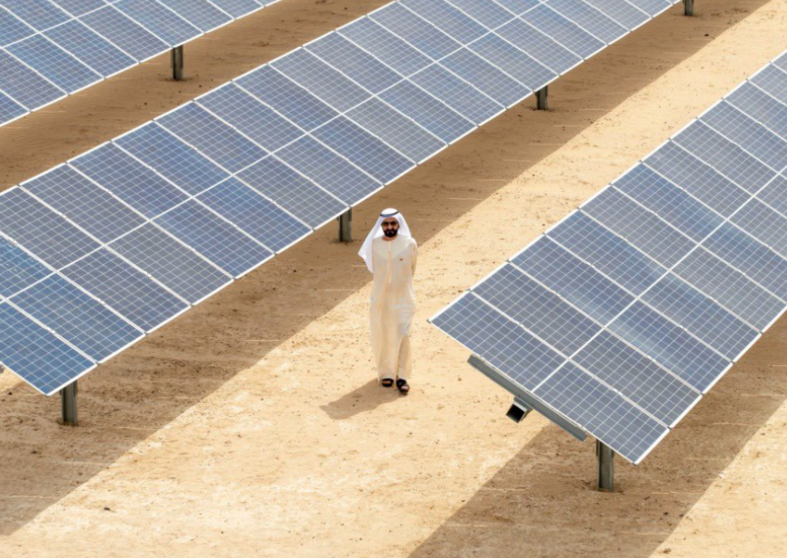
The model is based on a decentralized technology that is immediately operational. Off-grid solar mini-grids now irrigate villages that were previously plunged into darkness as soon as the sun sets. These stand-alone photovoltaic kits bring much-needed light to classrooms, preserve vaccines in health centers, and provide energy for small local businesses. Action is not lost in the administrative meanderings. The impact is measured by the number of households connected and micro-enterprises created.
This strategy embodies a modern vision of international cooperation. Rather than imposing huge electricity infrastructures that are slow to build and expensive to maintain, Abu Dhabi’s diplomacy favors agility. Solar energy is becoming a lever for direct territorial emancipation. By targeting the periphery rather than the capitals, the UAE is demonstrating that the global ecological transition must above all serve social justice and the economic autonomy of the most vulnerable communities.
TheHatLady