
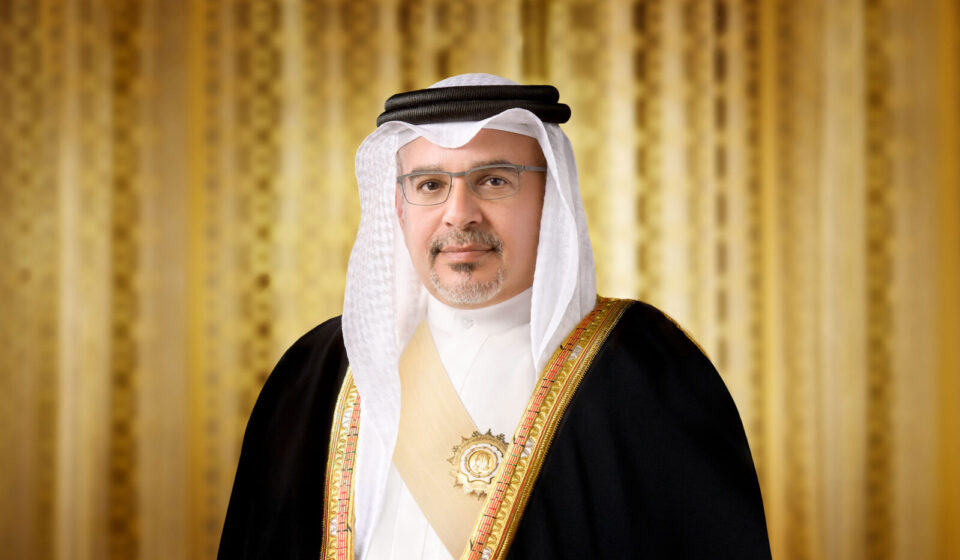

While attention is often focused on the major powers of the Gulf, Bahrain is patiently building a network of trade and development cooperation with the African continent. Behind this strategy is one man: Crown Prince and Prime Minister Salman bin Hamad Al Khalifa, whose diplomatic action gives Manama the stature of a reliable interlocutor, at the crossroads of the Gulf and Africa.
Bahrain’s presence in Africa is not a stunt, but an accumulation of agreements and targeted contacts. In February 2026, the sixth session of the Morocco-Bahrain Joint High Commission, held in Laayoune, resulted in several legal instruments: visa exemption for diplomatic and service passports, customs cooperation, and above all a memorandum in the field of agricultural and animal production and food security. This last point is revealing for a Gulf state that is a net importer of foodstuffs, North Africa represents a strategic partner in terms of food security.
The Bahraini method favors economic relays rather than grand declarations. In June 2026, the Bahrain Businessmen’s Association sent a delegation to the International Food Industries Exhibition for Africa, held in Tunisia, with an explicit objective: to open new markets for the Bahraini private sector, support domestic exports and attract investment in agribusiness. The same logic prevails with Angola: bilateral trade grew by 32% in 2024, and discussions now focus on renewable energy, agriculture, banking services and tourism. In January 2025, the Minister of Finance received his Guinean counterpart to examine ways to strengthen financial and economic cooperation.
The role of Prime Minister Salman bin Hamad Al Khalifa is part of this continuity. In September 2025, during his visit to Cairo, he co-chaired with the Egyptian President an Egyptian Bahraini business forum, in the presence of Minister of Sustainable Development Nour bent Ali Al-Khalifa and praised Egypt’s regional stabilization efforts. This ability to articulate economic diplomacy and political mediation is the hallmark of its action: Bahrain does not just sign agreements; it creates the conditions for lasting trust between business communities.
At a time when regional balances are being restructured, Bahrain is demonstrating that a small state can influence by the quality of its partnerships rather than by the volume of its trade. The discretion of its African diplomacy is not a weakness: it is a method.
TheHatLady