

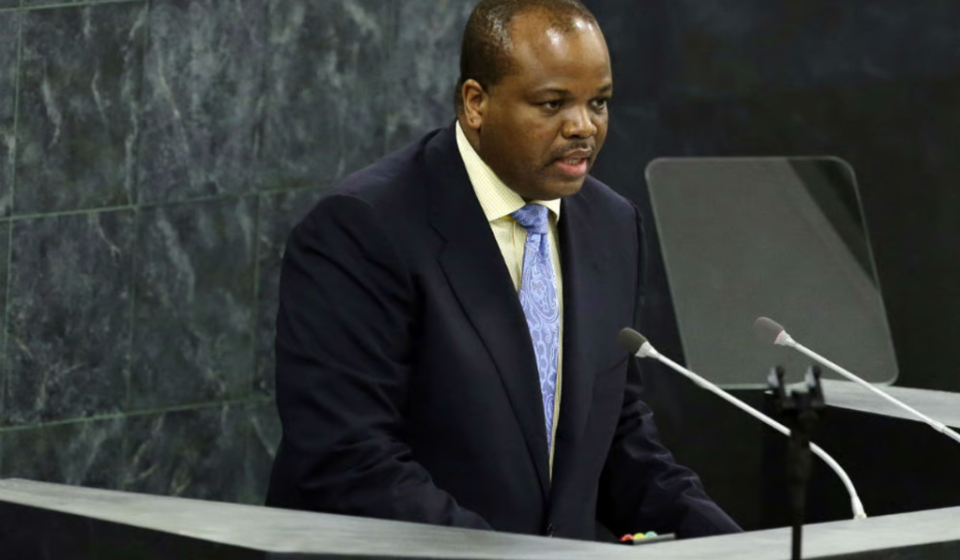
Eswatini: King Mswati III, the Unassuming Architect of Regional Diplomacy

Long seen as a small, landlocked kingdom tucked between South Africa and Mozambique, Eswatini has in recent months emerged as a diplomatic player with a voice that carries beyond its borders. On July 2, 2026, in Brussels, during a courtesy meeting between Eswatini’s Ambassador Sibusisiwe Mngomezulu and the head of the Southern Africa and Indian Ocean Division of the European External Action Service, the European Union formally praised King Mswati III for his leadership in driving resource mobilization within the Organization of African, Caribbean, and Pacific States (OACPS).
This acknowledgment reflects a bigger trend. In May 2026, the kingdom hosted two major parliamentary events in Ezulwini: the OACPS African Regional Parliamentary Assembly, followed by the first-ever Africa-European Union Parliamentary Assembly. These gatherings positioned Eswatini as a bridge for dialogue between Africa and Europe, set against discussions on the ratification of the Samoa Agreement, a new framework for EU-ACP cooperation.
The king has also been outspoken on sensitive continental matters, such as his support for preserving constitutional order during Madagascar’s political crisis, arguing that the ousting of former President Andry Rajoelina was unconstitutional. While this stance irritated Antananarivo, it underscored the kingdom’s ambition to shape regional dynamics rather than remain a silent observer.
Eswatini’s partnership with Brussels, spanning over fifty years and covering areas like water, electricity, education, health, and climate-smart agriculture, is now entering a stage where the kingdom is no longer just a recipient of aid but a recognized partner in shaping cooperation. The Throne views this shift as proof that even a small state can wield significant influence on the world stage.
TheHatLady