

The World Bank’s approval of an additional $140 million in financing for Senegal, backed by a state contribution of $2 million, propels the overall budget of the Agricultural Production Zones Connectivity Project (PCZA) to $470.8 million. This highly strategic choice validates the ambition of a builder State, determined to transform its territorial potential into levers of endogenous growth.
By targeting the corridors of the North and Center (Koussanar-Koumpentoum and Tambacounda-Dianké Makha), the Senegalese State is opening up its main agricultural and livestock basins.
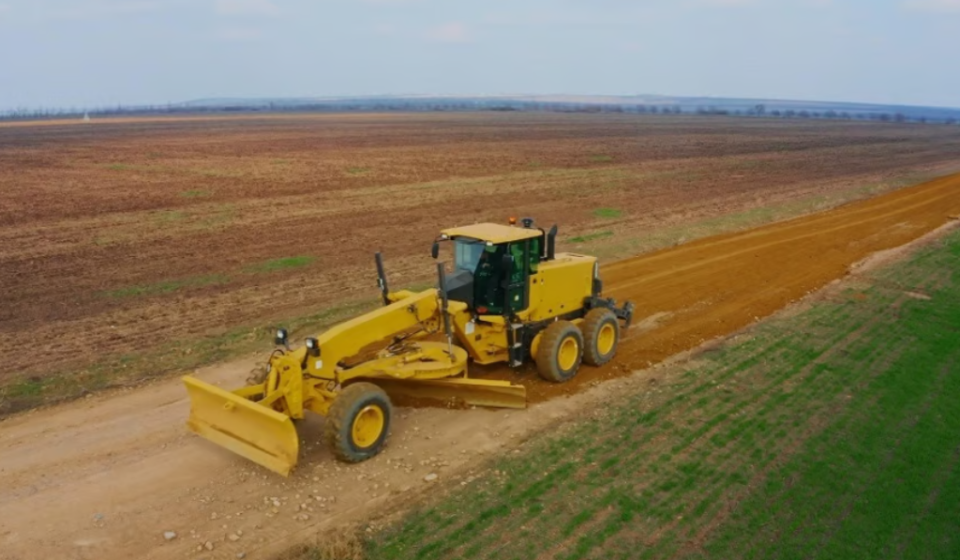
The construction of 171 kilometers of paved roads and 104 kilometers of climate-resilient tracks responds to an imperative of logistical performance: reducing transport costs, eliminating post-harvest losses, and maximizing the incomes of local producers.
Beyond the asphalt, this dynamic structures a genuine ecosystem of integrated development.
The development of agricultural processing platforms dedicated to women, modernized storage facilities, and connected markets materializes the principle of spatial equity. More than 570,000 citizens thus gain direct access to commercial outlets and essential social services, from education to public health.
Fully aligned with the Senegal 2050 Vision and the National Development Strategy 2025-2029, this major infrastructure offensive embodies a modern pan-African doctrine: the continent’s prosperity is forged first and foremost through the mastery and connection of its own productive forces.
Senegal is demonstrating its institutional maturity by converting international partnership into a powerful engine of self-sufficiency and national emergence.
The future of the nation is now being shaped at the heart of these interconnected territories, where the solidity of the strategic State durably fertilizes the wealth of the land.