

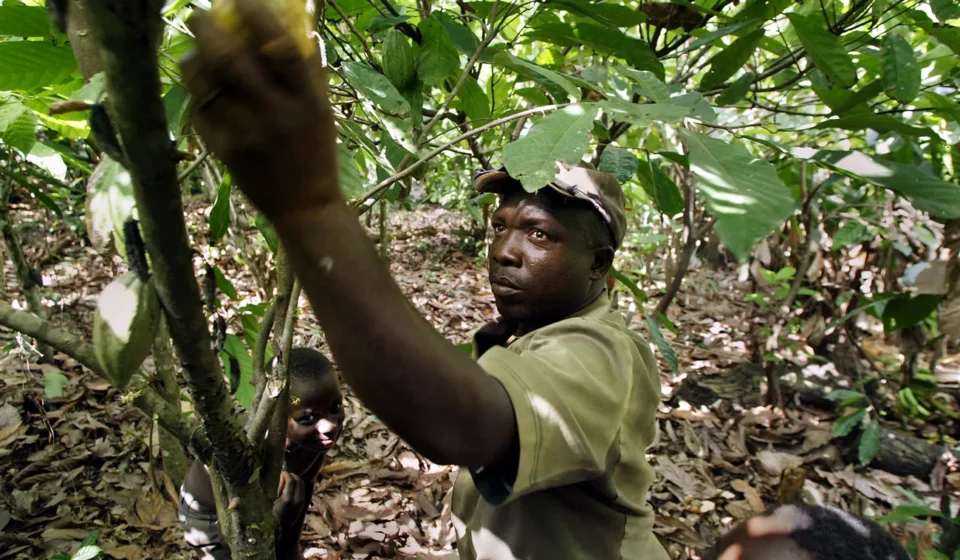

Brussels finalized its anti-deforestation law on July 13, locking in a December 30 start date for large firms. African cocoa, coffee, and rubber exporters now have under six months to provide digital proof their supply chains are clean. The EU has therefore closed the door on further delays, shifting execution risk from regulators to companies. Consequently, « the system isn’t ready » no longer works as an excuse.
The fine print creates African winners too. Leather dropped from the scope, benefiting Ethiopia and Nigeria, while soluble coffee and palm oil derivatives gained a year’s reprieve.
Crucially, the new rules favor origins that invested early in traceability. Côte d’Ivoire and Ghana therefore possess a head start over competitors with underdeveloped systems.
Technology firms are the immediate commercial beneficiaries, racing to provide satellite mapping and supply-chain software.
Meanwhile, smallholders face real costs for GPS mapping and digital documentation, despite Brussels claiming a 75% reduction in compliance costs.
European buyers, facing fines of up to 4% of turnover, will increasingly concentrate orders among low-risk suppliers.
From December 2026, exporters will consequently compete on data as much as price. For those unable to adapt, compliance will harden into a significant barrier to the EU’s 450-million-consumer market.