

The European Union has officially banned the purchase, import, and transfer of Sudanese gold. Why? Because this lucrative trade has become a primary fuel for the country’s devastating civil war, which first erupted back in April 2023.
Since then, the fierce fighting between the regular army and the notorious paramilitary Rapid Support Forces (RSF) has triggered one of the world’s worst humanitarian catastrophes.
Indeed, the violence has already forced more than 14 million people from their homes, creating a massive displacement crisis.
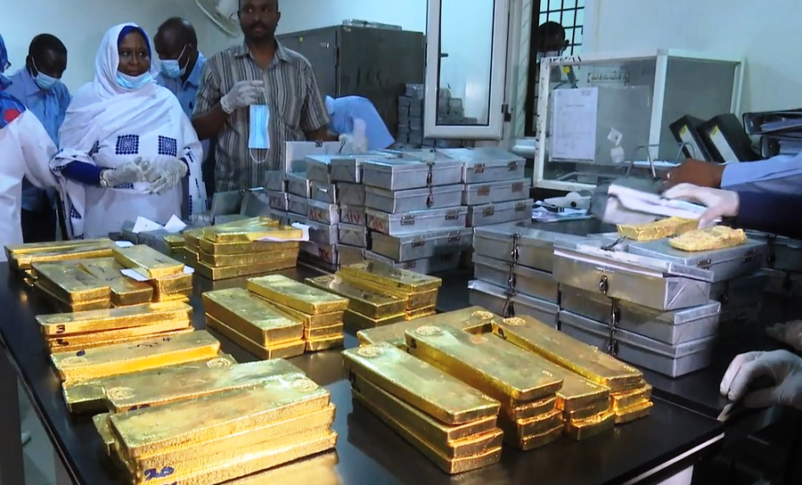
Sudan happens to be one of Africa’s largest gold producers. Yet, according to rights groups, these vast reserves have tragically turned into a crucial revenue stream for both warring sides.
To choke off this financing, EU foreign ministers have also approved a ban on exporting mercury and cyanide to Sudan chemicals widely used in gold mining.
However, experts warn that simply banning the metal might not be enough. The reality is that over half, and by some estimates up to 70%, of Sudan’s gold is smuggled out annually.
The RSF currently controls most goldfields in Darfur and Kordofan, while the army oversees production in the north and east.
From there, the precious metal is often trafficked through Egypt, Chad, or Libya before reaching Dubai, a major global trading hub.
Consequently, the EU insists these measures will « reduce the resources » available to those perpetuating the violence.
Nevertheless, analysts argue that sanctions will likely fail unless major international hubs like the UAE and regional transit routes also crack down on illicit Sudanese gold.
This pressure comes as aid agencies warn that over 28 million people in Sudan are now facing acute hunger.