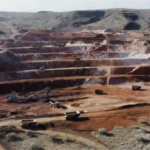



Long considered a model of economic stability thanks to its diamond rent, Botswana has been going through a structural crisis since 2024 that questions the solidity of its model. The decline in the global diamond market, accentuated by competition from synthetic stones, caused rough sales to fall by more than 40% in the first half of 2025, causing a contraction in GDP and exposing the country’s dependence on a sector that still accounts for nearly a quarter of its government revenues.
Faced with this fragility, tourism appears to be a largely under-exploited resource. The Okavango Delta, a UNESCO World Heritage Site and considered one of the most spectacular wetlands on the planet, is one of the continent’s most envied natural assets. The country is also home to Africa’s largest elephant population, estimated at 130,000 individuals, as well as iconic reserves like Chobe and Moremi. Yet this exceptional natural capital now accounts for only 3 to 5 percent of GDP, compared to a quarter for diamonds an imbalance that has remained virtually unchanged for three decades.
Botswana has made the strategic choice of low-volume, high-value-added tourism, favoring high-end stays rather than mass tourism, in order to preserve the fragility of its ecosystems. This approach, enshrined in the National Development Plan and Vision 2036, is based on the rise of community-based natural resource management, supported by more than 170 local organizations since the adoption of a new law in 2025.
Aware of the urgency, the authorities launched a Tourism Satellite Account in July 2026 to better measure and manage the sector’s real contribution to the national economy. The challenge now is to transform a natural asset into a real economic pillar, capable of creating sustainable jobs and reducing the country’s vulnerability to diamond market shocks – without sacrificing the environmental discipline for which Botswana is internationally renowned.
TheHatLady