

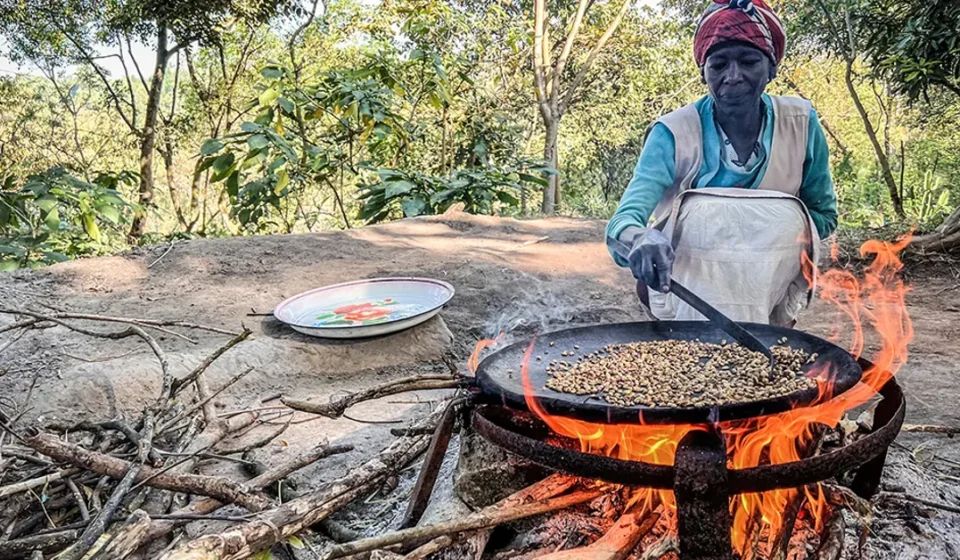

Sub-Saharan Africa accounts for nearly half the world’s clean cooking access deficit. The International Energy Agency reports 970 million people in the region still rely on polluting fuels. That number grows by 14 million each year and will surpass one billion by 2027.
The gap is widening. Population growth outpaces progress. While India and China have made massive strides, Sub-Saharan Africa lags behind. Only a handful of countries like Ghana and Kenya show promising momentum.
The contrast is stark. Three-quarters of humanity now uses clean cooking technologies.
But 2 billion people worldwide still cook with wood, charcoal, or kerosene. By 2030, 58% of the global deficit will sit in Sub-Saharan Africa.
The consequences are deadly. Household air pollution from dirty cooking causes millions of premature deaths annually, mostly women and children. It also drives deforestation and climate change.
International commitments exist. The 2024 African Summit in Paris raised $2.2 billion. But progress is slow.
In the Democratic Republic of Congo, Ethiopia, Madagascar, Mali, Mozambique, Niger, Uganda, and Tanzania, fewer than one in ten households use clean fuels.
The problem is mostly rural. Of the 2 billion people without access, 1.5 billion live in rural areas.
Scaling solutions means reaching the hardest-to-reach communities. The path to universal access of energy requires more than promises. It demands delivery on the ground.